
A neighborhood built by hand,
kept by heart.
For more than a century, Little Italy has been an important cultural and ethnic icon for Baltimore — a few narrow streets where the old country put down roots and never let go.
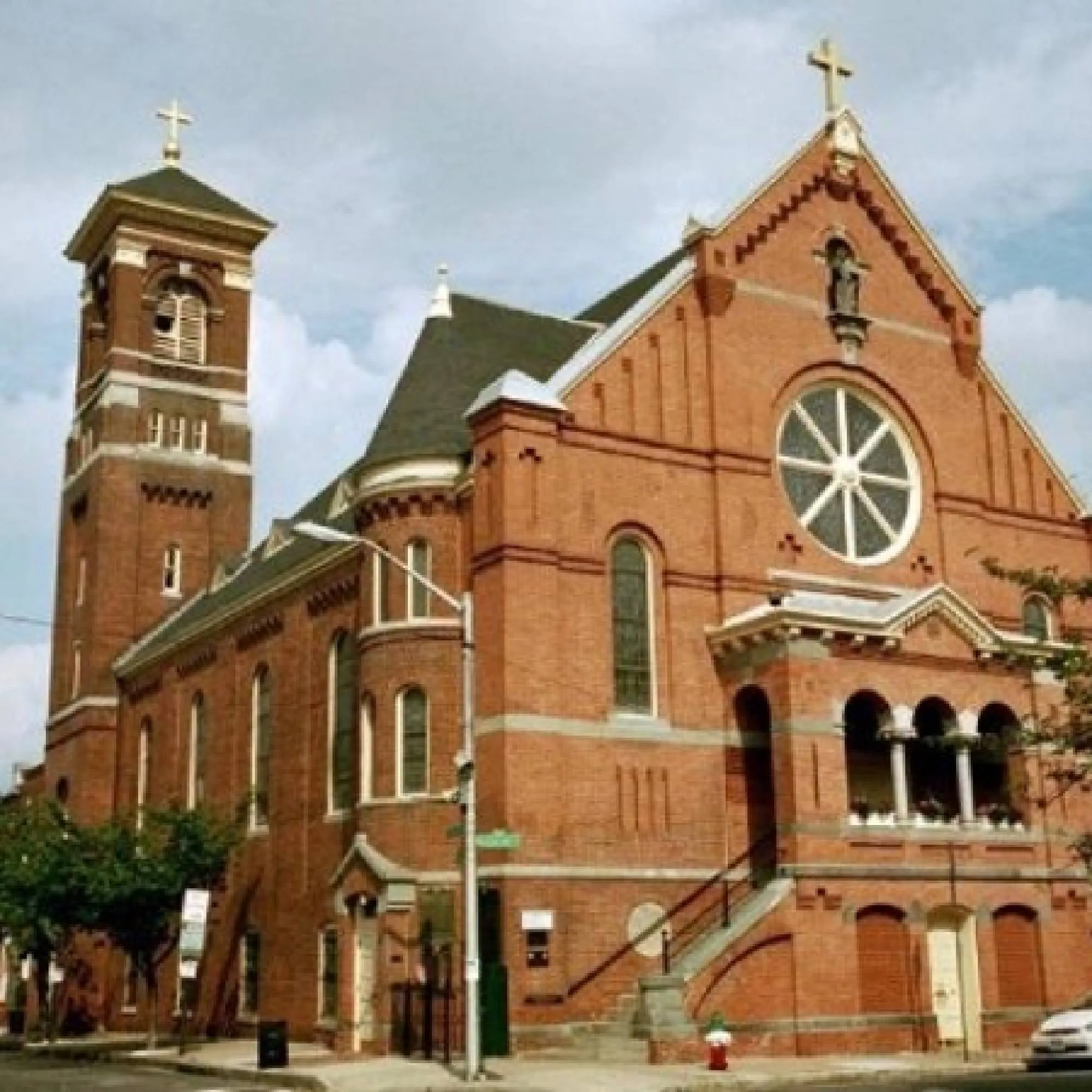
Italian immigrants began settling this corner of downtown Baltimore in the mid-to-late 1800s, many arriving by rail at the nearby President Street Station. They came largely from southern Italy and Sicily, and they built a tight-knit community of rowhomes, corner groceries, social halls, and — at its spiritual center — a parish of their own.
St. Leo the Great was established in 1881 to serve those families, and it has anchored the neighborhood ever since. Generations have been baptized, married, and remembered within its brick walls, and its feast days still bring the whole neighborhood into the street.
They arrived with little more than language, faith, and a recipe — and built a neighborhood the whole city would come to love.
When the Great Baltimore Fire of 1904 swept through downtown, it stopped at the edge of Little Italy. The neighborhood credited St. Anthony with its deliverance — and that June, began a feast in his honor that continues to this day.
Milestones
Italian immigrants settle near President Street Station, building a community of rowhomes and shops.
St. Leo the Great parish is founded to serve the growing Italian-American neighborhood.
The Great Baltimore Fire is halted at the neighborhood's edge; the first Feast of St. Anthony is held in thanksgiving.
The Feast of St. Gabriele begins, bringing a second summer festival each August.
Still a living residential neighborhood — and a beloved destination for food, faith, and festa.